
Background
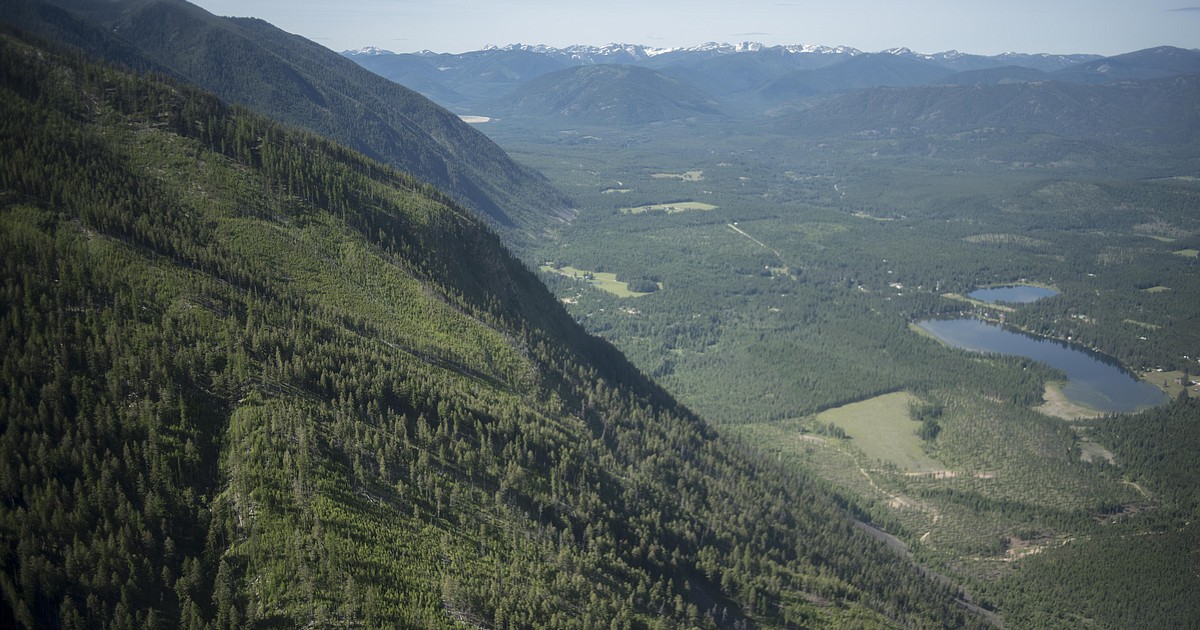
The Cabinet Mountains Wilderness provides refuge for native fish and wildlife and its streams flow with some of the purest waters in the lower 48. The Cabinet Mountains also potentially contain significant deposits of copper and silver. For decades, CFC has worked with partner groups and Tribal governments to ensure that proposed copper/silver mining projects don’t put these pristine wilderness waters at risk.
The proposed Montanore Mine Exploration Project is an underground copper/silver project 18 miles south of Libby, on the east side of the Cabinet Mountains. If successful, this project will dewater the existing Libby Adit and substantially expand the network of adits and drifts within the Kootenai and Clark Fork watersheds across the next 8 years in preparation for a subsequent mining operation. CFC has long opposed the Montanore project because of predicted irreversible impacts to streams within our watershed. Groundwater modeling has predicted dewatering of the headwaters of two critical bull trout spawning streams on the Clark Fork side of the divide—the East Fork Bull River and East Fork Rock Creek. Both are classified “outstanding resource waters” by the state, meaning they cannot be legally dewatered by more than 10% of their average streamflows. That did not stop the United States Forest Service (USFS) from going ahead and approving the mine in 2016, which led to the CFC Board of Directors’ decision to take legal action and challenge the agency decision in federal court.
In 2017, U.S. District Judge Donald Molloy issued a ruling in that federal case. Judge Molloy found that the USFS’s decision to approve the mine despite projected dewatering and degradation of outstanding resource waters violated Montana’s non-degradation law, as well as the Clean Water Act and other federal laws. Judge Molloy also found that the predicted dewatering impacts violated USFS Kootenai National Forest Plan standards and that the USFS failed to propose adequate mitigation measures for its proposed tailings impoundment site at Poorman Creek. The Judge ultimately directed the agency to conduct further environmental review to address these shortcomings.
In June of 2020, the USFS issued its Draft Supplemental Environmental Impact Statement (DSEIS) approving the evaluation phase of the Montanore project. That progress was halted by another legal decision. The decision invalidated the water pollution discharge permit that the MT Department of Environmental Quality (DEQ) had issued for the mine. This permit would have allowed Hecla to discharge mine wastewater and contaminated stormwater directly into multiple streams that traverse public lands in the Cabinets and that provide habitat for threatened bull trout. The Court found that DEQ violated multiple provisions of state and federal water laws in authorizing pollution from the mine. The Montana Supreme Court upheld this decision on appeal, issuing a strong reminder that Montana’s constitutional right to a clean and healthful environment is not just an empty edict. As a result, DEQ must now conduct a new analysis of whether the mine can receive a discharge permit under the current non-degradation laws.
The Montanore project does not have the state or federal permits required to begin mining activity, but in 2025, the USFS approved the mining company’s plan to further its exploration activity by significantly enlarging the existing adit. The USFS issued an environmental assessment, finding that the exploration project would have no significant impact on the environment.
Latest Update: March 31st, 2026
CFC and Partners Challenge Rushed Approval of Libby Exploration Project
On March 31, 2026, the Clark Fork Coalition joined a coalition of local and national organizations and filed suit over the Trump administration’s fast-tracked approval of the Libby Exploration Project in northwestern Montana’s Cabinet Mountains. The lawsuit claims that the Montanore Minerals Corporation project threatens unpolluted waters, including those in a federally-designated wilderness area, and species protected under the Endangered Species Act. The Trump administration approved the project in October without completing the required Environmental Impact Statement and wrongly concluded that the mine would not impact ESA-protected bull trout and grizzly bears.
The lawsuit targets the U.S. Forest Service and U.S. Fish and Wildlife Service for their inadequate environmental analysis of the Libby project. The project threatens to dewater Cabinet Mountains Wilderness surface waters. According to the U.S. Forest Service, waters in the Cabinet Mountains Wilderness are rated among the top 5% in the lower 48 for purity. The project would also increase nutrient pollution entering a portion of Libby Creek designated as critical habitat for bull trout and develop significant infrastructure adjacent to and underneath the wilderness area.
In irrationally concluding that the project would not harm threatened grizzly bears and bull trout in the area, the Forest Service also failed to use the best available science, in violation of the Endangered Species Act. The Libby project would fragment crucial grizzly bear habitat and increase road use, putting at risk an especially vulnerable Cabinet-Yaak grizzly population. The agency also failed to properly consider the impacts to Libby Creek’s bull trout from higher water temperatures from Montanore’s water treatment facility.
Montanore’s parent company, Hecla Mining Co, has a history of violating environmental laws at its other mining operations — the Greens Creek Mine in Alaska and Lucky Friday Mine in Idaho. In its approval of the Libby project, the Forest Service failed to consider the company’s past violations.
The Cabinet Mountains Wilderness and adjacent national forest lands are braided by high-elevation streams and harbor vital populations of bull trout, as well as Westslope cutthroat trout and other sensitive, coldwater fish that are facing increasing threats from climate change. The area supports one of the last five grizzly bear populations that persist in the lower 48 today.
Earthjustice represents Cabinet Resource Group, Clark Fork Coalition, Earthworks, Montana Environmental Information Center, Save Our Cabinets, and the Yaak Valley Forest Council in the lawsuit.