Advocacy
Since 1985, the Clark Fork Coalition has engaged in science-based policy advocacy to protect and restore the Clark Fork River watershed. Our legal and science teams monitor state, local, and federal water policy, submit in-depth public comments, and participate in the committees that shape the laws and regulations affecting our waterways.
To remain vigilant to emerging threats in the watershed and stay focused on long-term commitments to the river and its communities, we continue to focus our work on specific geographies within the basin, namely the Upper Clark Fork, Bitterroot, and Middle Clark Fork, while also responding to urgent needs and timely opportunities to have lasting impact watershed wide.
Current issues we’re working on
*Protecting the Clark Fork River watershed requires staying vigilant to emerging threats while remaining focused on long-term commitments to the river and its communities. We work to keep this page as up to date as possible, but this list represents only a portion of the issues our team is actively tracking, engaging with, and addressing behind the scenes.
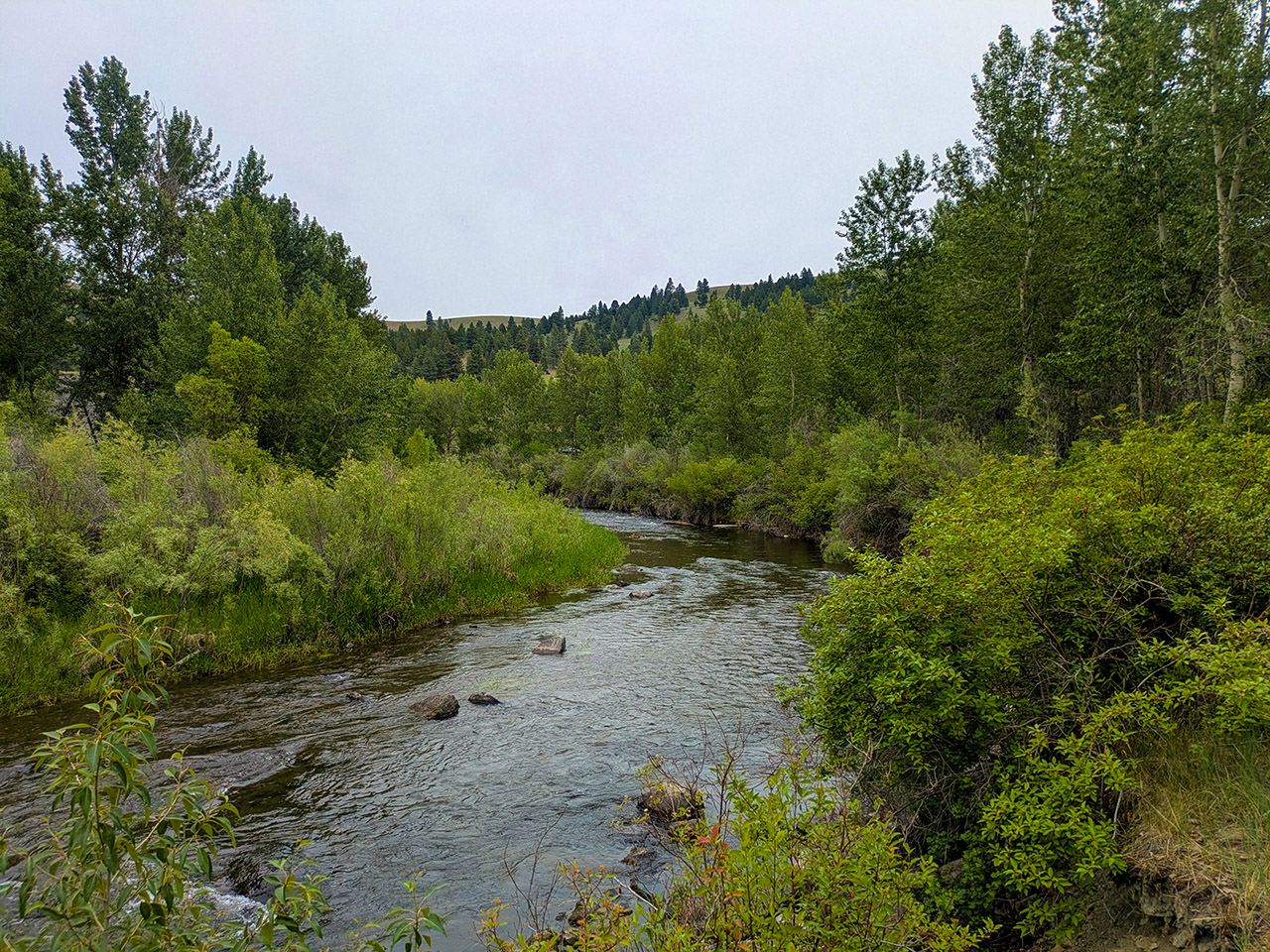
Blue Copper Mining Project
Cabinet Mountains Mining Projects
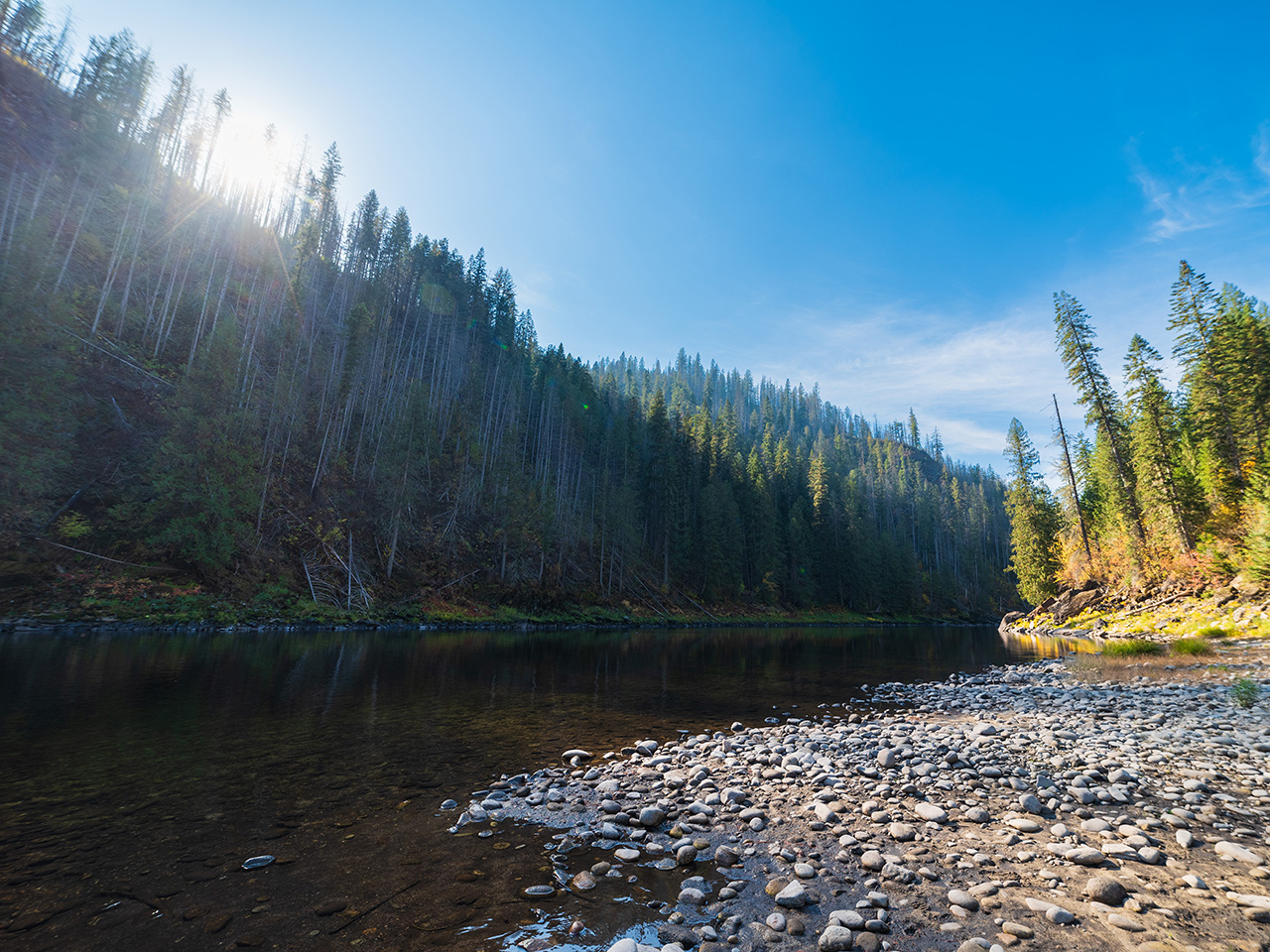
Sheep Creek Mine Proposal
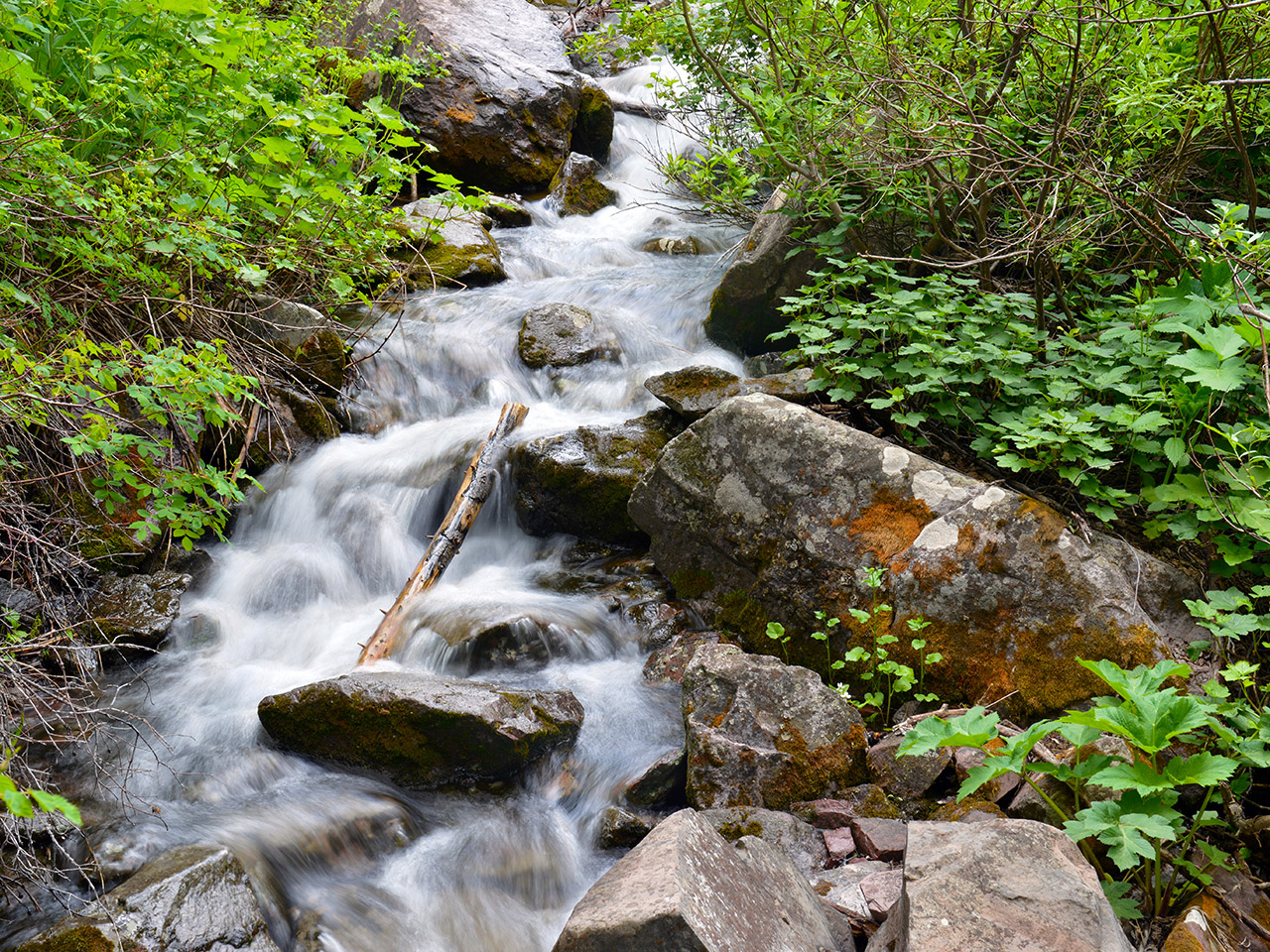
Columbia Gold Mine Exploration Project
Selenium Standards in Lake Koocanusa
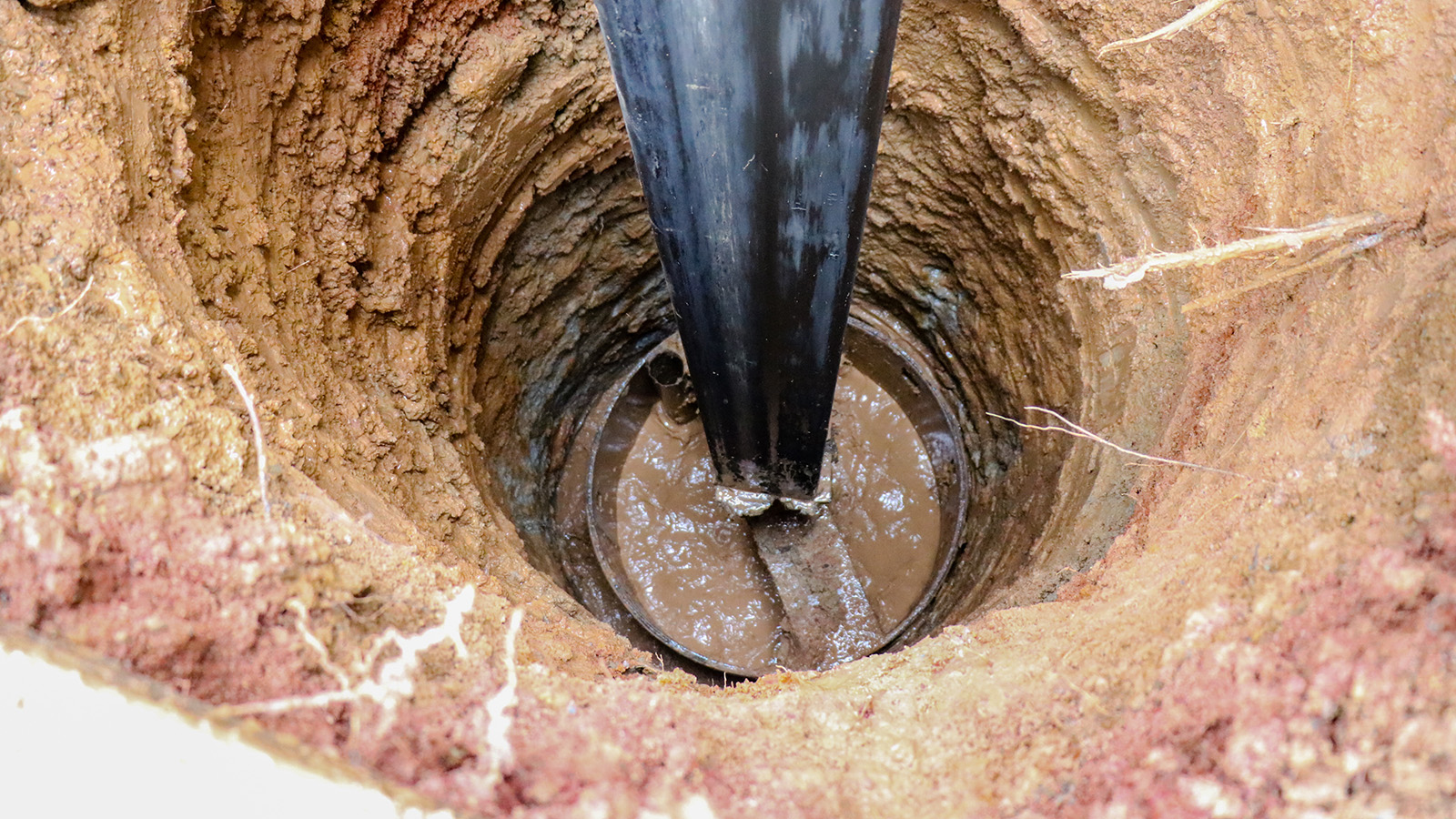
Exempt Wells
Arrowstone Park
Additional projects we’re tracking
- Blackfoot Copper Cliffs Mining Project: Mining exploration activity has continued in the Copper Cliffs region of the Garnet Range near Potomac, where companies have been evaluating the area for potential mineral development for more than a decade. Recent efforts by Rio Tinto to advance the project have renewed concerns about the potential long-term impacts of large-scale mining in the headwaters of the Blackfoot River watershed.
- Blackfoot Crossings Development Project: Proposed residential and commercial development on the former West Bonner Logyards site near the Blackfoot River. The project would require a centralized wastewater treatment facility that would discharge treated wastewater into groundwater near the river corridor.
- Blackfoot Gravel Pit: A proposed zoning compliance request in Missoula County could open the door for an opencut gravel pit operation near the Blackfoot River. Concerns include impacts to nearby waterways, groundwater, wildlife habitat, and surrounding communities.
- Flathead River Comprehensive River Management Plan: The Flathead National Forest and Glacier National Park are restarting work on a long-awaited management plan for the Three Forks of the Flathead Wild and Scenic River. The plan will help guide how the river corridor is protected and managed, including recreation, development, water quality, habitat, and long-term protection of the river’s outstanding natural and cultural values.
- Lolo Creek Drought Management Plan: Local partners are developing a community-led drought management plan for the Lolo Creek watershed in response to worsening drought conditions, low streamflows, and fish mortality in recent years. The effort will bring together landowners, irrigators, agencies, and community members to identify practical, voluntary solutions that improve drought resilience, protect fisheries, and support long-term watershed health in Lolo Creek and downstream waters of the Bitterroot and Clark Fork River systems.
- Thompson Falls Antimony Mine & Smelter: Antimony mining and smelting operations near Thompson Falls are rapidly expanding after decades of limited activity. Backed by major federal funding and new ownership, the project now includes increased smelting, expanded exploration, and plans for new mining activity in the Clark Fork River watershed, raising concerns about water quality, pollution, and long-term environmental impacts.
How You Can Get Involved
Protecting the Clark Fork River watershed depends on more than technical expertise and long-term restoration—it depends on people engaging in the decisions that shape it. The policies, permits, and plans that affect our rivers are made in public, and they are influenced by whether community voices are present and informed. Getting involved helps ensure that watershed health, science, and long-term resilience are part of those conversations, alongside the pressures of development, resource use, and growth.
If all of this sounds a little like alphabet soup, you’re not alone—it’s not exactly light reading. The guide below is here to help you sort it out, find your entry points, and get involved in ways that feel clear, doable, and actually useful.
Get involved in local decision-making
Learn who makes decisions about water in your community.
Across the Clark Fork River watershed, decisions that affect water quality and quantity happen at many levels—state agencies, county commissions, city councils, conservation districts, and local and regional boards. These bodies influence everything from water permits and land use to development patterns and stream protection.
Start by identifying your state legislators and local elected officials, as well as key decision-making bodies like your county commission, city council, and conservation district. You can find state agencies and contacts through the Montana state directory and explore statewide government resources at https://mt.gov/. The Montana Environmental Information Center (MEIC) also has an Elected Officials Directory where you can look up your specific federal and state elected officials.
Most jurisdictions post meeting agendas, minutes, and committee information online.
Sign up for updates and track water-related decisions.
Much of the work that shapes the watershed happens in real time through agency rulemaking, permitting processes, and local government decisions. Stay connected by signing up for updates from state agencies like the Montana Department of Environmental Quality (DEQ) and the Montana Department of Natural Resources and Conservation (DNRC), as well as your county and city government.
Public notices are often published online or in local newspapers and are required for many water-related decisions—including permitting, zoning changes, and regulatory updates.
Our Water Watchdogs Program also offers a structured way to stay engaged and informed. Whether you’re new to advocacy or experienced in policy work, we’ll help you understand emerging water issues, track decisions, and take meaningful action to protect the watershed.
You can also sign up for the Water Watchdogs newsletter here:
Become a Water WatchdogPay attention to public comment periods and key decision dates.
Montana law requires public participation in many decisions affecting water and natural resources. That includes opportunities to submit written comments and attend public hearings during rulemaking, permit reviews, and local planning processes.
Agencies like DEQ and DNRC are required to formally give notice on these opportunities, which are often time-limited but critical for influencing outcomes in the Clark Fork River watershed.
Public meetings typically also include a general public comment period for items not on the agenda but within the body’s jurisdiction.
Share your perspective
Submit a public comment or testify at a hearing.
Public comments are one of the most direct ways to influence water policy decisions. These can be short and straightforward or more detailed and technical, depending on your experience and interest.
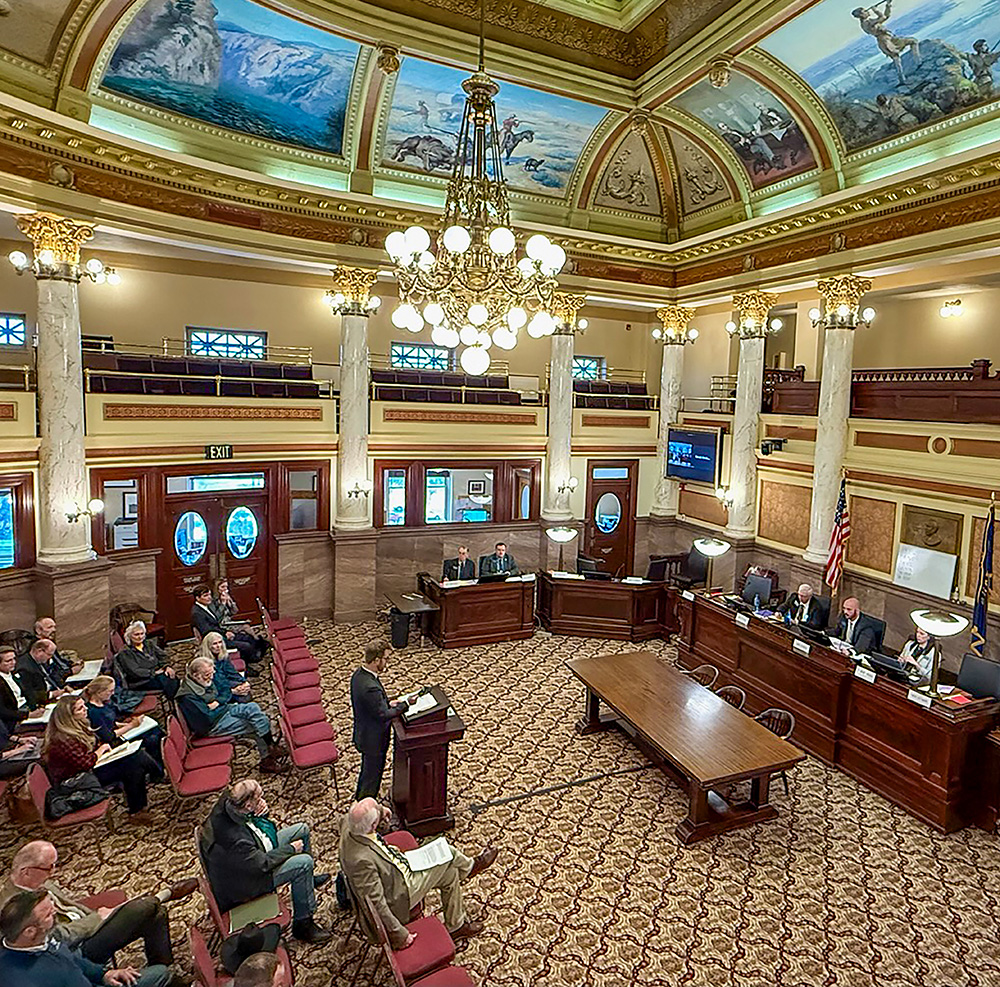
The most effective comments clearly state your position and connect it to the health of the Clark Fork River watershed—whether related to instream flows, groundwater protection, mining impacts, or development pressure. Public hearings often allow in-person or virtual testimony, typically limited to a few minutes. State your name, connection to the issue, and your perspective clearly and concisely.
Write a letter to the editor or opinion piece.
Local newspapers and online publications are important places where water policy conversations take shape in Montana communities. Letters to the editor (typically 200–300 words) and op-eds (often up to ~700 words) are effective ways to share concerns, explain issues, or highlight why a particular decision matters for the watershed.
These pieces help broaden awareness of issues like groundwater management, climate impacts, or watershed restoration efforts across the basin.
Build broader community awareness
Talk with your community about what’s happening in the watershed.
Water decisions often move quickly and can be complex. Sharing what you’re seeing—whether it’s a public notice, a development proposal, or a policy change—helps more people understand how decisions affect the watershed.
Conversations with neighbors, friends, and local groups can make a meaningful difference in how widely issues are understood and how many voices are present in public processes.
Step into leadership roles
Participate directly in boards, committees, or local decision-making bodies.
Many of the most important decisions affecting water resources in Montana happen through appointed or elected boards. These include conservation districts, planning boards, zoning commissions, water and sewer boards, and advisory committees that influence land use and water management.
Serving on these bodies is one of the most direct ways to help shape long-term outcomes for the Clark Fork River watershed. Many positions are open to community members and do not require technical backgrounds—just a willingness to engage, learn, and participate in local decision-making. Check your county and municipal website for open positions and for information on the application process.
Additional Resources
Support our advocacy work
Water Watchdogs receive emails about water-related legislation and then speak up on behalf of clean water.
Our advocacy spans the watershed.
-
 Arrowstone Park
 -
 Blue Copper Mining Project
 -
 Columbia Gold Mine Exploration Project
 -
 Sheep Creek Mine Proposal
 -
 Exempt Wells
 -
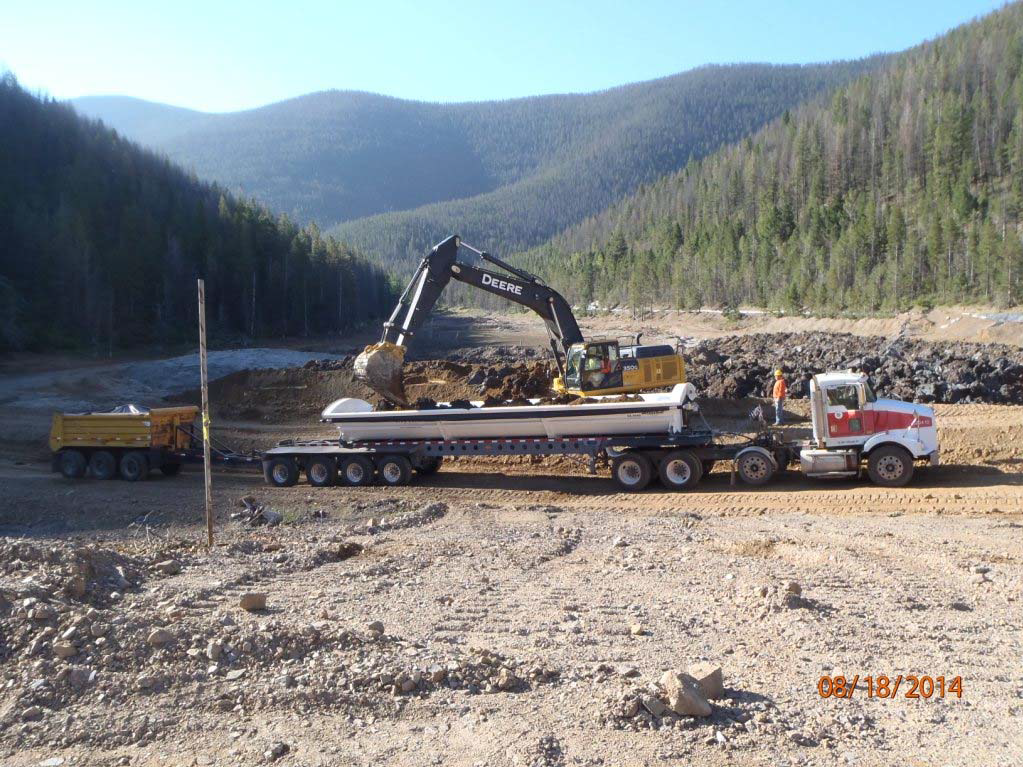 Mike Horse Mine Cleanup
 -
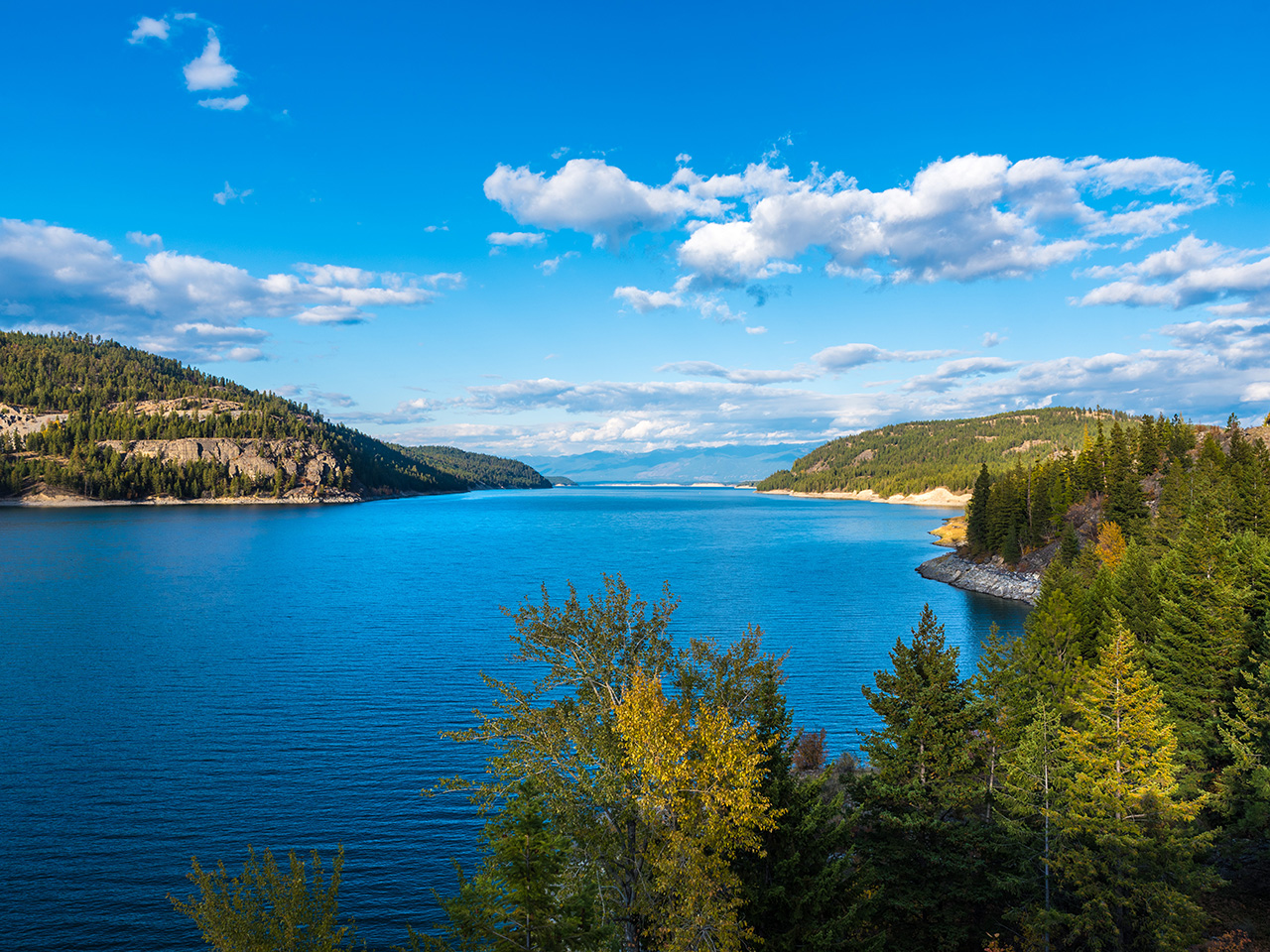 Protecting Selenium Standards in Lake Koocanusa
 -
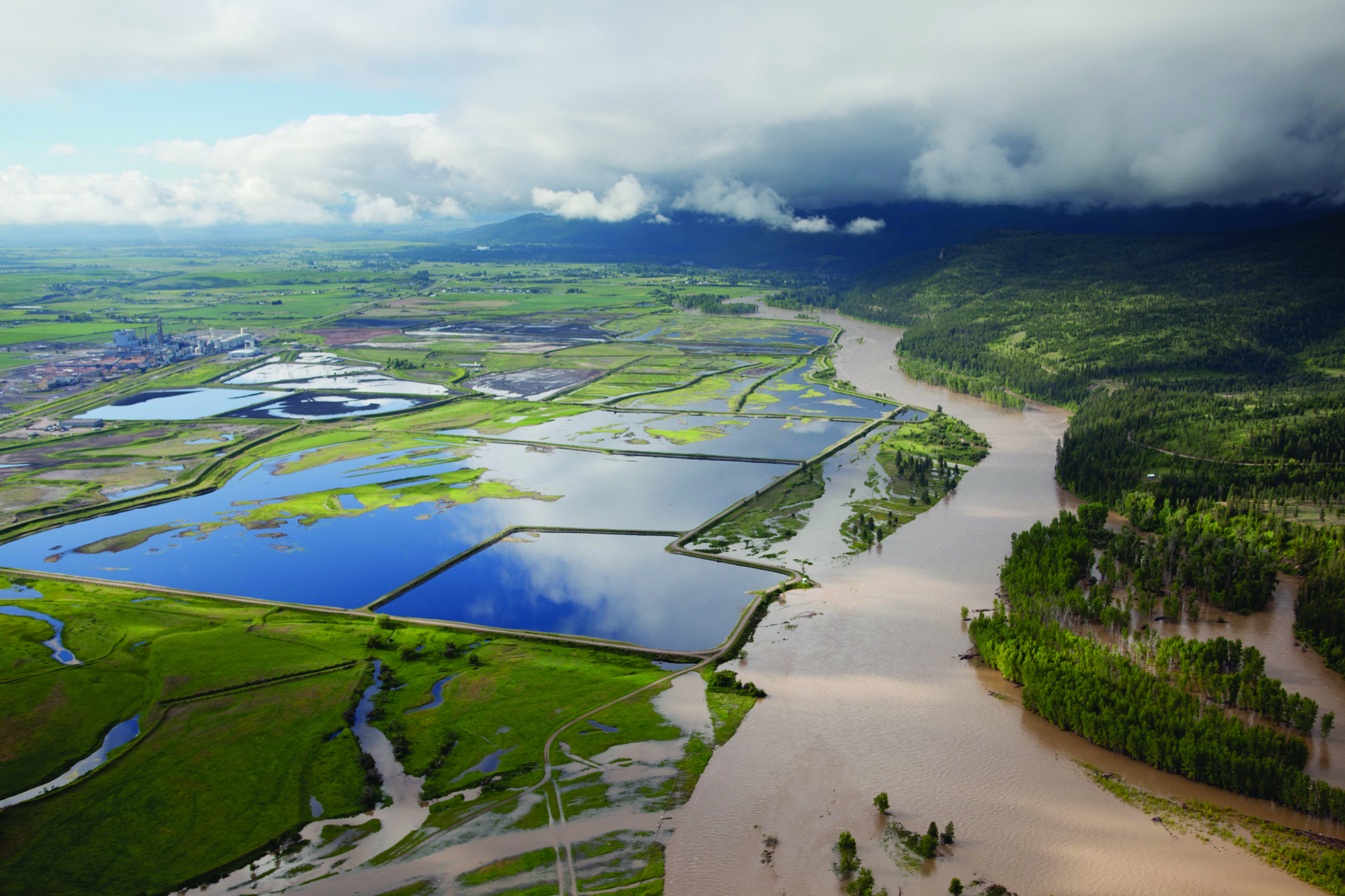 Cleaning up the Smurfit-Stone Mill Site near Frenchtown, MT