Background:
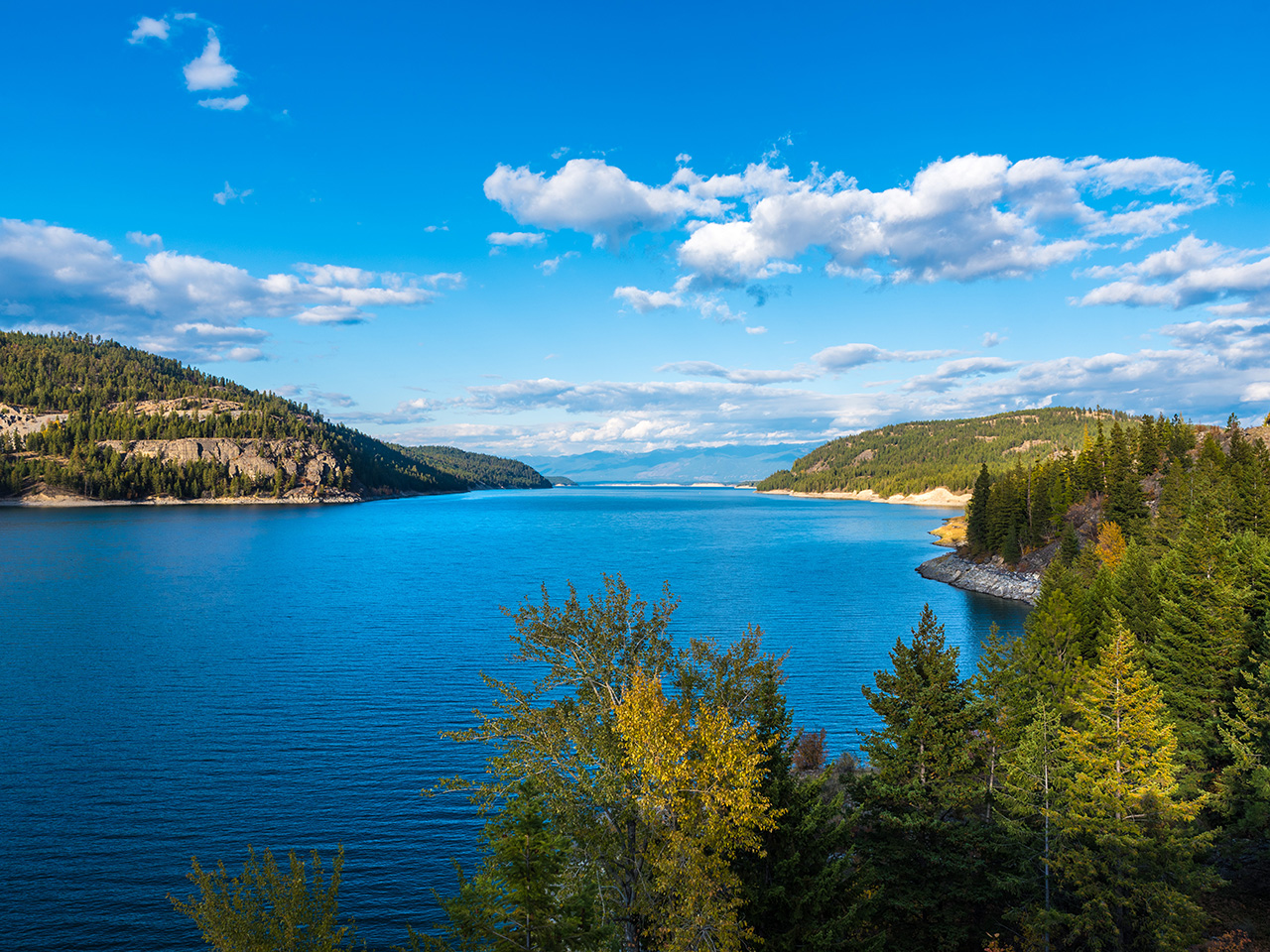
Lake Koocanusa is a long, narrow 90-mile reservoir created by the Libby Dam in Northwestern Montana. It’s headwaters and mountainous shoreline reach across the border into British Columbia, Canada where the Kootenay, Bull, and Elk rivers feed into the lake. Id. The reservoir’s snow-fed waters support diverse aquatic species, including burbot, whitefish, Kokanee salmon, Kamloops trout, Westslope cutthroat trout, and bull trout—a threatened species protected under the Endangered Species Act. Downstream from the dam, the lake’s waters flow into the Kootenai River through Montana and Idaho, providing crucial habitat for endangered White Sturgeon, a species protected under the Endangered Species Act and whose populations have been declining in the Kootenai River since the 1970s. But these waters, which appear clean and pure to the naked eye, are polluted with selenium originating from open-pit coal mines in Canada’s Elk River Valley.
For more than a century, the Elk River Valley coal mines upstream of Lake Koocanusa have stripped away mountain tops, leaving behind massive waste rock piles. These waste piles leach selenium at an accelerated rate when exposed to rain and snowmelt. While selenium is a naturally occurring element that is essential to humans and animals in small amounts, too much selenium is toxic. Aquatic life in Lake Koocanusa and downstream in the Kootenai River continue to be exposed to elevated levels and bioaccumulation of selenium, which can cause reproductive damage, fewer viable eggs, stunted growth, mortality, deformities, altered liver function, and winter stress syndrome.
Respondent Teck Coal Limited owned and operated mines in the Elk River Valley since the early 90s, gaining full control over all mining operations in Elk River Valley in 2008. In 2024, Teck closed on the $9 billion sale of its Elk Valley operation to a new conglomerate of mining corporations taking the helm under Elk Vally Resources (EVR). Glencore, Nippon Steel Corporation, and Pohang Iron and Steel Company now hold the majority of EVR shares. As a result of the sale, the new mining partners in EVR inherited Teck’s legacy of environmental pollution, including the continually increasing selenium levels that have more than quadrupled in the Elk River since 1984 and contribute to more than 95 percent of the selenium in Lake Koocanusa.
Lates Update: April 9, 2026
Victory in Selenium Lawsuit!
For years, CFC and our partner organizations have fought to protect Lake Koocanusa and the Kootenai River from harmful selenium pollution originating from Canadian coal mines. Montana DEQ spent nearly a decade gathering data and enacting a site-specific water quality standard for selenium meant to protect our waters and our wildlife from dangerous amounts of selenium discharged. In late 2021, Montana DEQ officially adopted the protective standard, which was subsequently approved by the federal EPA. However, DEQ’s good work was undone in 2022 when—at the request of the Canadian mining company—the Montana Board of Environmental Review (BER) backpedaled and nullified the standard. In 2023, CFC joined litigation challenging BER’s misguided attempts to weaken this important and protective standard. Late Wednesday, Judge Kathy Seeley issued an order granting us Summary Judgement in our case and reversing the BER’s unlawful move to weaken our state selenium standards. Needless to say, we are pleased with the outcome, both in terms of its on-the-ground protections, but also because it sends a clear message that Montana can and should protect its waterways by implementing, site-specific water quality standards when necessary to protect aquatic life and beneficial uses. Read more here.

