Background
With prices of gold at an all-time high, many mining projects that were previously shelved are receiving renewed interest. This includes a potential gold mine project that could present a very real threat to the Blackfoot watershed. Great Plains Mining LLC (“GPM” -a subsidiary of Australian-based Sentinel Metals) purchased land and mining claims encompassing the Columbia Gold project in 2016 after the previous owners went bankrupt. The project area is located approximately 14 miles east of Lincoln on private property between the Seven Up Pete and Hogum Creek watersheds.
In January of 2026, GPM submitted a request to the Montana Department of Environmental Quality (DEQ) seeking to conduct new mining exploration activities on its property. If approved, 21 new bore holes will be drilled to a maximum depth of 2,296 feet. DEQ reviewed this request and issued a Draft Environmental Assessment (EA) of the proposed activity. The Draft EA was made public on March 20, with a public comment deadline of April 13. We are continuing to monitor DEQ’s review of the Draft Environmental Assessment and will keep you updated as this process moves forward.
In the meantime, there are still ways to stay engaged and ensure decision-makers understand the importance of strong protections for the Blackfoot watershed. If you’d like to continue sharing your concerns, you can still reach out to Montana Department of Environmental Quality staff and leadership, as well as local county commissioners, your state legislators and the Governor’s Office, all of whom play a role in how projects like this are reviewed and approved.
Our science and legal team has provided language on the five main concerns with this exploration request, along with data-driven reasoning to back them up:
- DEQ should prepare a full Environmental Impact Statement on this proposed exploration activity and examine how this proposal fits with the Blackfoot TMDLs for metals and sediment.
- These tributaries are important habitat for native fish populations in the Blackfoot watershed. Sufficient water supply and high water quality are crucial to maintaining the agricultural and recreational economies of the Blackfoot Valley. Historical mining activity has led to sediment and metal pollution issues in many areas of the upper Blackfoot watershed, but cleanup of pollution sources and development of Total Maximum Daily Load (TMDL) plans for pollutants has helped the watershed recover. The Draft EA fails to consider how this project fits with the pollution reduction goals in the TMDL and how this project will affect the long-term recovery of the upper Blackfoot River.
- DEQ should fully analyze whether the anticipated groundwater interception will negatively impact stream flows or water quality.
- This project area sits on the divide between the Seven Up Pete and Hogum Creek watersheds, both of which are recognized as high quality tributaries to the Upper Blackfoot River and as priority streams for native fish species. Surface and groundwater are intimately connected at this site, and the Draft EA states that exploratory drilling is expected to intercept groundwater during drilling operations at some (or all) of the proposed drilling sites. Yet, the Draft EA concludes that that proposed drilling activity is unlikely to influence the elevation or the quality of the groundwater without sufficient baseline data to support this conclusion.
- DEQ should further explain how area surface waters will be protected.
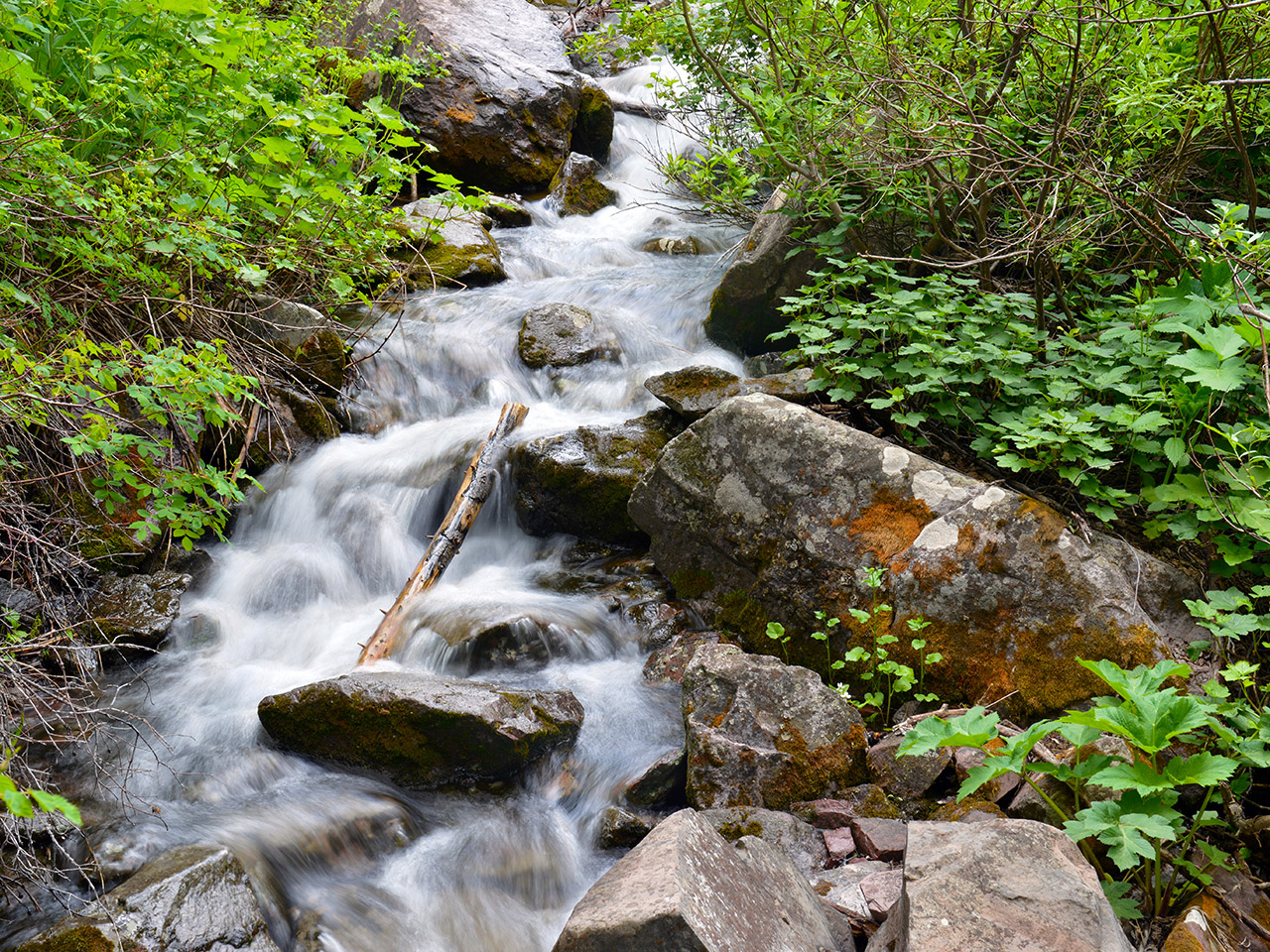
- Hogum Creek and Seven Up Pete Creek are both located roughly a quarter of a mile downhill and downgradient from the portions of the project site, including drill sites. DEQ is relying on the use of Best Management Practices (BMPs) to ensure that spills of drilling fluids, stormwater runoff, or other incidental discharges will not negatively impact these surface waters, but it is unclear which types of BMPs will be used, or how this requirement will be enforced.
- DEQ should weigh the anticipated economic benefits of the Columbia Project against the potential losses.
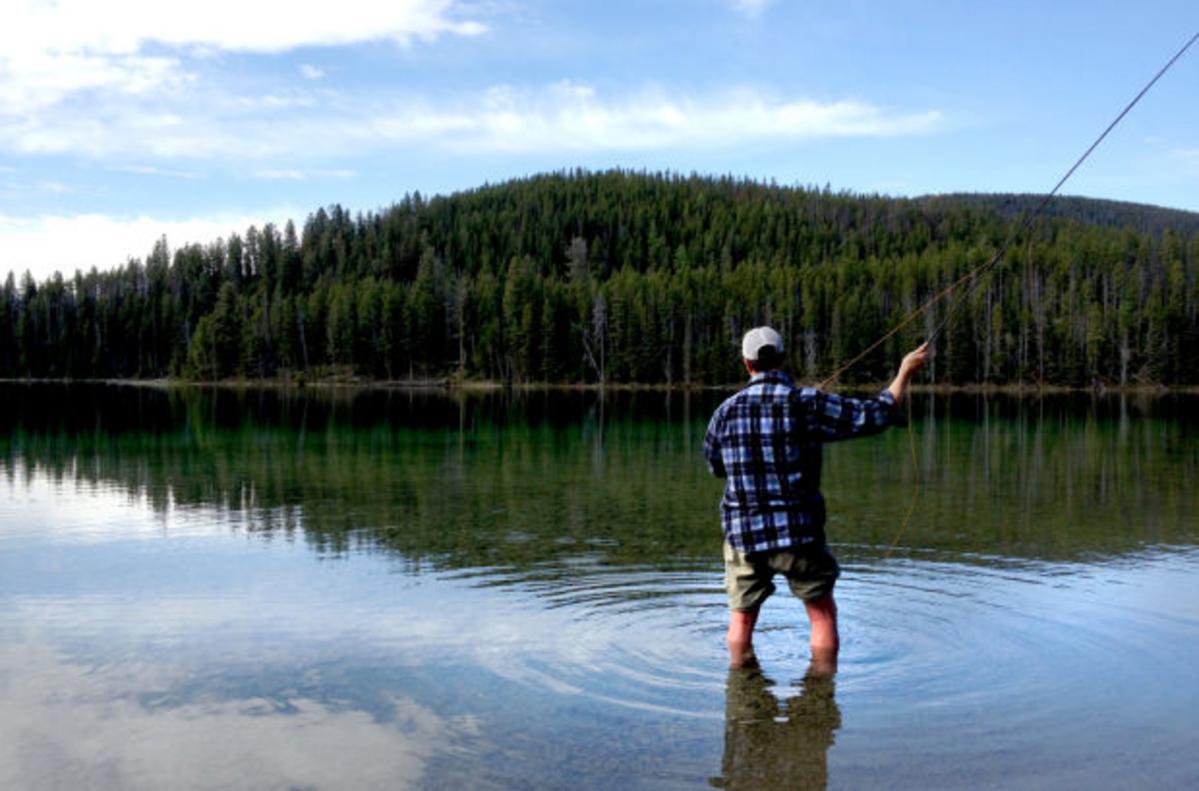
- Montana’s clean water is our lifeblood. It’s also a significant economic driver for our state, with recreation-related activities responsible for more than $3.4 billion in economic output and providing over 30,000 jobs across the state. Boating and fishing was found to be Montana’s second largest recreational activity, accounting for $149 million in economic activity. The Blackfoot Valley relies on clean water for this economic activity.
Latest Updates:
June 26, 2026
CFC has a long history of advocating to prevent the damaging impacts of mining projects proposed in sensitive areas of our watershed. To accomplish this work, CFC relies on the timely disclosure of public information pursuant to Article II, § 9, of the Montana Constitution, otherwise known as Montanans’ “Right to Know.” That’s why, on June 24, CFC and MEIC officially filed legal action alleging that the Montana DEQ violated our Constitutional rights by failing to provide certain public records on the Columbia Gold Mine exploration project in the Upper Blackfoot. Despite multiple requests to provide basic underlying information about the mining proposal —or at least delay the close of public comment until this information could be provided — the DEQ sat on our records request for over 90 days, until after public comment had closed and the amended exploration permit for the Columbia project had been approved. Our lawsuit requests that the District Court declare that the DEQ’s action violated our constitutional rights and vacate the amended exploration license. Read more here.
Read MEIC’s press release here.
April 13, 2026
On April 13, 2026, CFC, along with other partner organizations, submitted comments to the Montana DEQ regarding the Draft EA, stating that the current Draft EA is deficient in several respects, and fails to fully evaluate the impacts of the proposed exploration project. As such, the Montana DEQ must prepare a full Environmental Impact Statement (EIS) for the project. A copy of our joint comments can be viewed here. GPM also submitted its own “EA Sufficiency Report” seeking to defend the DEQ’s findings in the Draft EA.
Additional Resources